

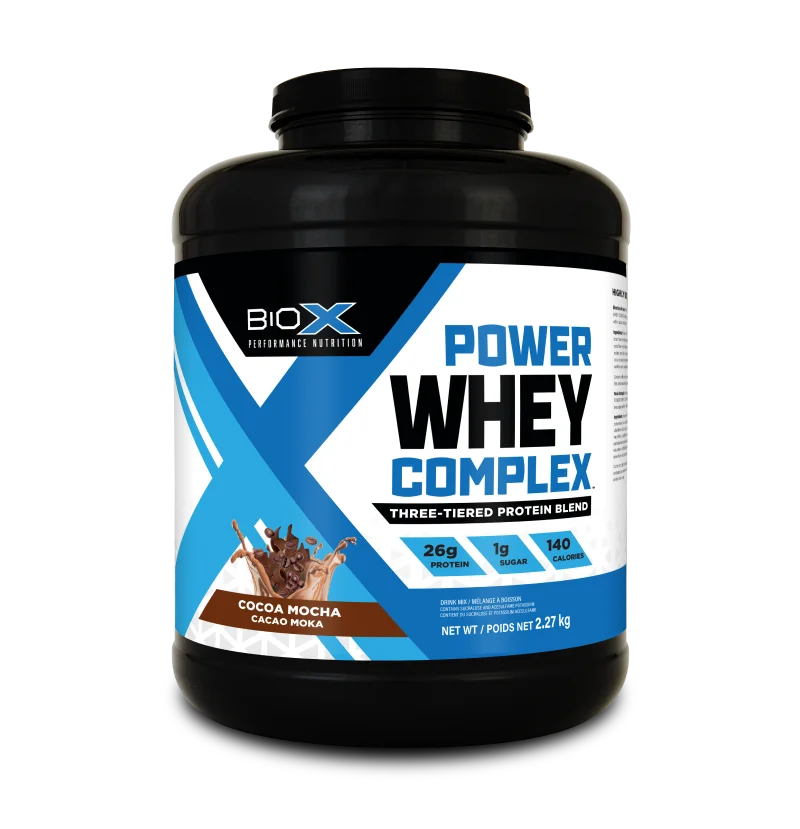
 $114.90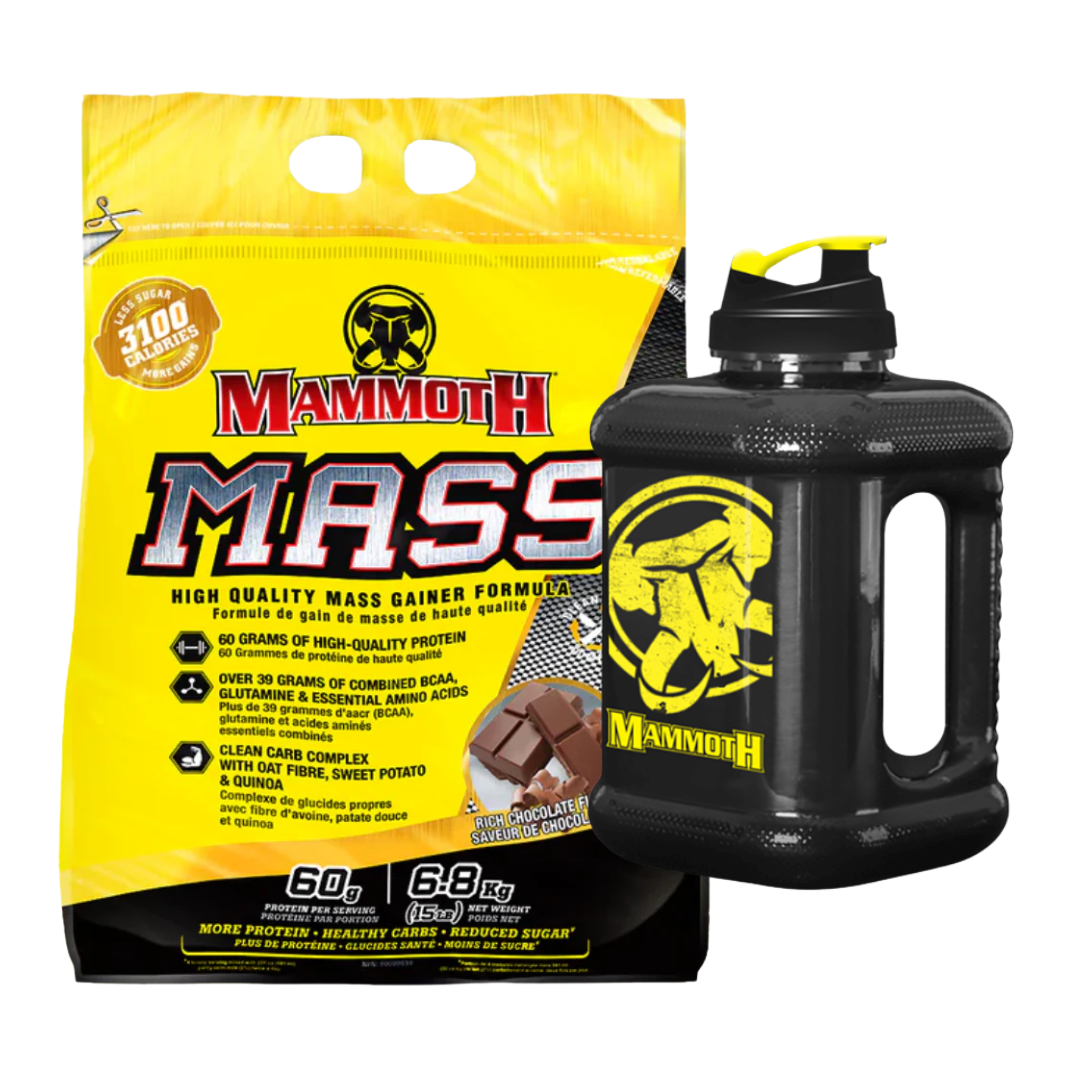
 $189.90
 $67.59 $75.10








Most people don’t struggle with nutrition because they don’t know what to eat.
They struggle because they’ve been taught to see food as something to control, restrict, or “be good” around.
In this episode, I break down a smarter, more sustainable way to think about nutrition—one that supports your energy, training, work, family, and mental health instead of fighting against it.
We cover:
Why restrictive diets fail long-term (and often backfire)
The difference between eating for life vs eating for punishment
How under-eating quietly wrecks mood, sleep, hormones, and consistency
Why protein, structure, and regular meals matter more than perfection
Where supplements fit—and where they don’t
This isn’t about cutting carbs, chasing detoxes, or starting another diet you’ll quit in six weeks.
It’s about building an approach to food that actually works in real life.
If you want better energy, better recovery, and fewer “on/off” cycles with nutrition—this episode is for you.
Stay curious, stay consistent…
Good luck out there

Transcript:
All right, welcome back.
If you've been following this series so far,
you're gonna notice a thing.
We're not chasing extremes here.
We are building foundations.
And today's topic, this is where most New Year's resolutions
quietly fall apart.
Food, baby.
Because for decades, nutrition has been framed as punishment.
So about restriction, rules, good foods,
bad foods, cheat days, and yet guilt.
This mindset doesn't build consistency.
It just builds rebellion and friction.
So today, we are gonna be reframing the whole thing.
This episode is about why diets fail so predictably.
Why food should support your life and not dominate it
and how to eat in a way that actually lasts past February.
If you ever been good or weak
and then blowing out on the weekend, this one is for you.
Okay, so let's look at why diets fail.
Let's start with reality.
Most diets fail with four three reasons.
Want the two restrictive, so you're always cutting carbs
or cutting fat or cutting sugar
and definitely cutting out joy.
The more you restrict, the more your brain fixates
on what you can't have.
That's not discipline, it is just psychology.
Number two, they ignore real life.
So no social demands, work stress,
family dinners, travel, and fatigue.
If your plan only works in a perfect week,
it's definitely not plan.
Three, they treat food like a moral issue.
You're not good for eating a salad
and you're not bad for eating a pizza.
Remember, food is fuel
and sometimes food is culture, comfort, connection
and yes, definitely enjoyment.
When food becomes moral guilt takes over
and guilt kills consistency.
So let's reframe it.
Let's look at food as support.
Here's the mind shift set.
Sorry, here is the mind set shift.
That changes everything.
You're not eating to punish your body.
You're eating to support the life you wanna live.
That means you are more energy for work,
fuel for your training, focus for thinking,
recovery for sleep, flexibility for social life.
Nutrition shouldn't make your life easier,
not smaller or harder.
And here is the foundations that really actually matter.
Let's simplify it.
You don't need a meal plan with 37 rules.
You need a few non-negotiables.
Your first priority, protein is your anchor.
Protein is the most important macro nutrient
for muscle retention, fat loss, recovery
and appetite control.
Most people under eat protein without realizing it.
Here is a simple rule, include a quality protein
source at every main meal.
You don't need perfection here,
you just need consistency.
Eat enough.
Under eating is one of the most common mistakes.
When calories drop too low,
your energy crashes, your sleep worsens,
your training definitely suffers
and hunger hormones spike.
That's when cravings explode
and your willpower disintegrates.
If you're constantly thinking about food,
you're probably not eating enough.
And the next one here is carbs aren't the enemy.
Cubs are fuel for your training, for your brain function,
thyroid, health and mood.
Low carb works short term for some people,
but long term it often increases stress.
Cubs aren't the problem, your context is.
Match carbs to activity, so more training goes more carbs.
Less movement for your carbs.
Simple.
Fat isn't evil either.
Dietary fat support, hormone production,
brain health, nutrients, absorption.
Cutting fat too aggressively can backfire,
especially for long term health
and balance beat extremes.
So this is what I like, the 80/20 rule.
This is a rule that I find actually works.
Eat well most of the time,
live your life the rest of the time.
If 80% of your intake is whole foods enough protein
and reasonable portions,
the other 20% doesn't matter nearly as much as you think.
One meal doesn't ruin your progress.
One weekend doesn't undo consistency, just quitting does.
I love saying and saying goes something like this.
A black belt is a white belt that never quit.
Now let's talk about something that affects a lot of people.
And this is emotional eating when you're stressed out.
So sometimes food isn't about hunger.
Sometimes it is about stress relief, comfort,
habit and because you're exhausted.
Instead of asking yourself, why am I so weak?
Try asking what am I actually needing right now?
Rotate through them.
Do I need more sleep?
Do I need more rest?
Do I need a connection?
Call a friend?
Do I just need a break?
So sometimes fix the root, not the symptom.
So let's always be clear,
supplements are there to support nutrition
that are not there to replace it.
So some useful basics for you are protein powder
to like up your protein intake,
creating to increase your training performance,
the mega threes for that essential fats
and magnesium for recovery.
And always remember fat burners won't fix poor habits
and detoxes won't undo inconsistency.
These are tools not magic.
So here is the big takeaway.
The best diet is the one that you can repeat
on a bad week, not your best week,
your worst realistic week.
Eat a few of your training, eat to support your brain
and eat to support your life.
Less punishment, more sustainability.
And the next episode I'm gonna be talking about stress.
Why unmanaged stress sabotages sleep,
training, fat loss and motivation?
And what to actually do about it?
Until next time, stay consistent and good luck out there.