 $114.90
 $189.90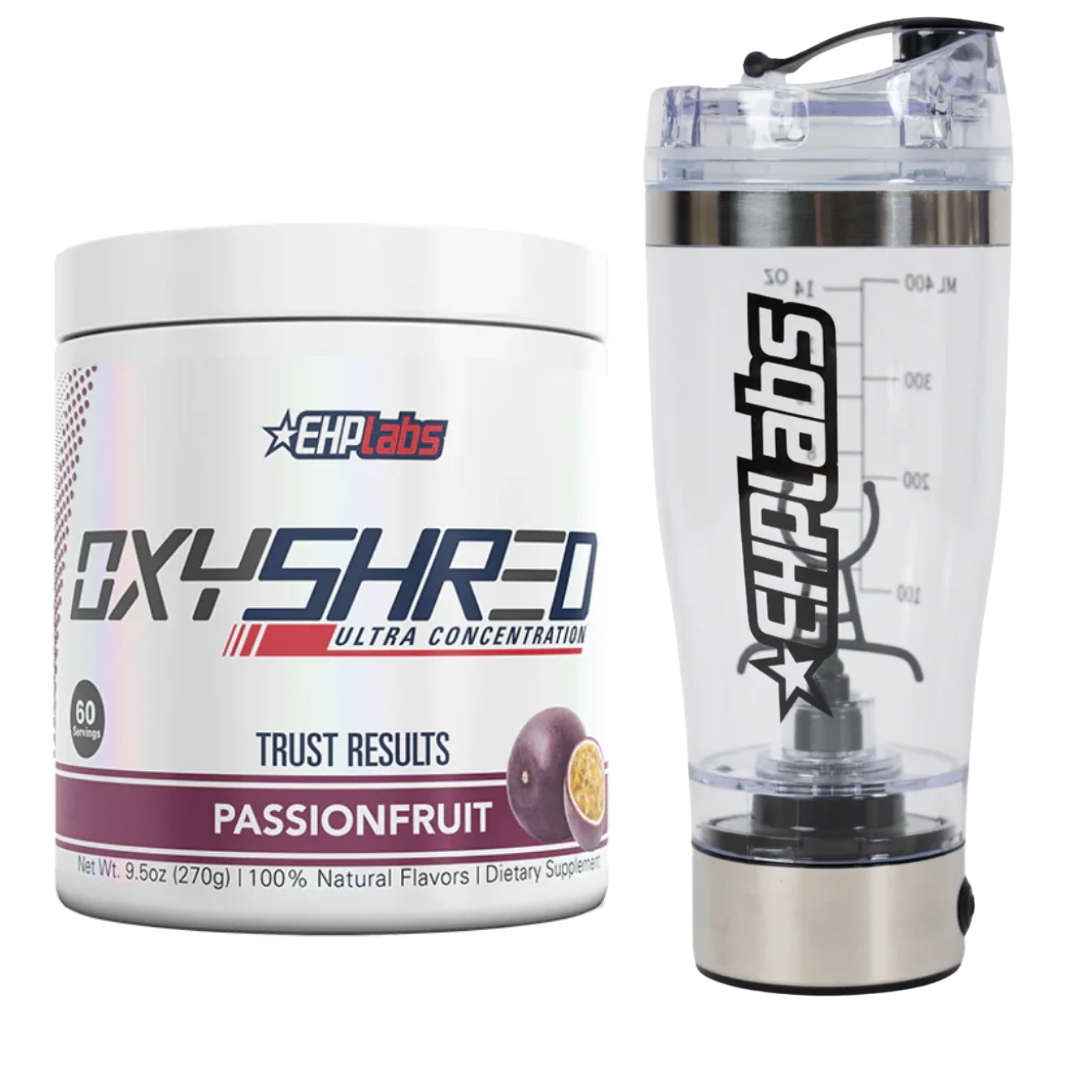
 $67.59 $75.10


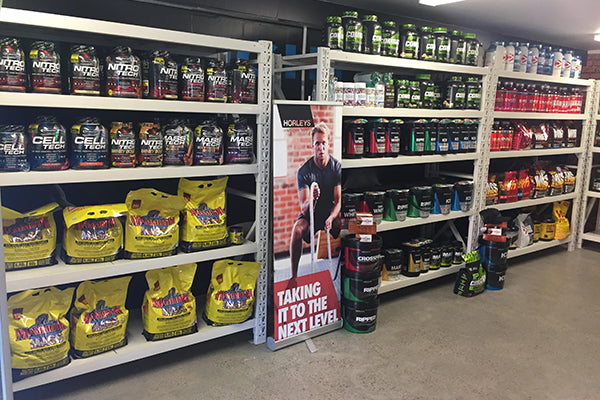
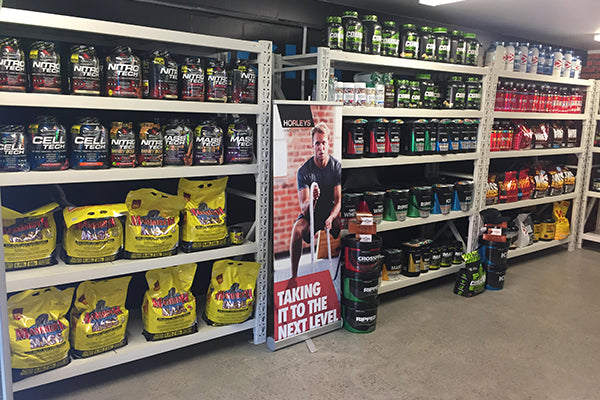
That skin-splitting, vein-popping pump—it’s not just a gym bro myth, it’s real physiology. In this episode, we break down what causes “the pump,” the science behind nitric oxide, and which ingredients actually deliver (L-Citrulline, nitrates, glycerol, and more). We’ll also cover stim-free vs. stim-packed formulas, smart stacking tips, and whether pumps really equal muscle growth. If you want to train bigger, fuller, and smarter—this one’s for you.
Transcript:
Hey there, how's it going?
All right let's jump right in.
Today I'm going to talk about the pump, that glorious swollen skin stretching feeling
when your muscles look twice the size they did an hour ago.
We've all chased it, but today's question is can pump supplements actually help you
get there?
Short answer is yes, but only if you know what to look for.
So let's break it down.
What is the pump anyway?
It's not just a brumeth, it's a real physiology.
When you train especially high rep, high volume work, your body increases blood flow to the
muscles being used.
That brings in oxygen, nutrients, hormones and hydration.
At the same time, waste products like lactase build up.
The combo of blood and blood stuck creates that tight, almost prishaful look and feel.
This is more than cosmetic.
It may help the muscle grow by stretching muscle fascia and improving nutrient delivery.
Now the question is can we enhance that process with supplements?
Absolutely.
If there's one molecule at the heart of the pump, it's nitric oxide, it's N-O.
Nitric oxide is gas produced in the body that helps dilate blood vessels, meaning they
open wider and allow more blood to flow through.
More blood equals more pump, equals more nutrients delivered to working muscles.
Pump supplements are often called N-O boosters and most of them focus on increasing nitric
oxide availability.
Let's get into the key ingredients.
L-situlane.
This is the gold standard.
L-situlane gets converted into adjuning in the kidneys, which then boost nitric oxide.
The catch?
Nitric acid works bitter and taking straight adjuning.
Why?
Adjuning gets broken down in the gut and citulane doesn't.
Look for 6 tae grams of citulane malate pre-workout.
That is the sweet spot.
Nitrates found naturally in beets, spinach and ponygrem, ponygrennets.
Nitric converts into nitric oxide, independently of the citulane adjuning pathway.
Beecher juice, beecher powder, or ponygrennets extracts a popular and pumps pump products.
Some studies show nitrates may boost endurance and pump, especially in longer training
sessions.
Glitterol puts in blood plasma, leading to what people call the "high-dreated, hyper-pump."
Think full, round, juicy looking muscle bellies.
But be warned, it can make your shake a bottle, thick and some people get a bit bloated.
The dose of that is usually 1-3 grams.
Magmoutine sulfate and magmoutine is derived from adjuning and may help regulate nitric
oxide synthase, helping your body use nitric oxide more effectively.
This research, then citulane, on this one, about people do swear by and pump stacks.
Okay, let's do a quick detail, because this matters.
A lot of pumps supplements are stim-free and for good reason.
Why?
Because caffeine can actually construct blood vessels in some people.
Not ideal when you're chasing a best-go-dialation.
If you're stacking a pump formula with a stim-heavy pre, make sure the ingredients aren't
fighting each other.
Or, alternate.
Use your stim-free for heavy lifting days and use the stim-free products for arms, shoulders,
or high troprophy workouts.
All veins will, thank you.
A few bonus ingredients that show up in premium pump formulas are pink Himalayan salt or
some electrolytes.
They help with hydration, muscle, filmus, and endurance.
Toring, it supports cell hydration and give a more full look, especially when stacked
with glycerol.
Pine bark extract.
This is an antioxidant that may improve nitric oxide activity and circulation.
Be tame and have that osmo light that jaws water into cells and supports strength output.
You don't need all of these, but if your pump powder reads like a smoothie menu and the
dose is a legit, it can definitely be worth it.
So the best time to take pump supplements, around 30 to 45 minutes before training.
Deally on empty stomach paired with 600 to 800 milliliters of water.
During high volume, high tropophy, style sessions, 10 to 15 rip sets, short rests.
Some people even sip pump formulas in your workout, which is totally fine, especially if you
are using a stim-free one.
Here's the reality check, though.
This getting a pump on doesn't mean you're building muscle, and means blood flows up, muscles
are swollen, you look jacked for now.
But peering a great pump with progressive overload, high protein, and smart recovery, that
is the growth tri-factor.
Pump supplements won't build muscle on their own, but they can enhance performance, motivation
and nutrient delivery.
And they can make workouts feel fun, which matters more than we give it credit for.
So, a pump supplements worth it.
If you want to look bigger during your workout, if you're training for hypertrophy, if you're
chasing that flex Friday filmus, then yeah, they absolutely can be.
Just be smart, check the label, know your ingredients.
Alright, that's it for today.
Now go forth and pump responsibility.
If you like this one, shoot it to a gym buddy.
Catch you next time, and don't forget to take your vitamins.