How's your sleep? Not the hours—the quality.
Are you waking up actually rested? Or do you sleep 7–8 hours and still feel like garbage? Can you fall asleep easily, or are you lying in bed for an hour? Do you stay asleep, or are you waking at 3 AM and can't get back?
Sleep is foundational to everything: training recovery, mental performance, immune function, mood. But most of us don't prioritize it. We sacrifice it.
In this episode, we're breaking down sleep supplements—what actually works, what doesn't, and how to use them smartly. Because better sleep might be the single best investment you make for your health.
You'll learn:
- Why most people struggle with sleep (it's rarely just "being tired")
- The proven sleep supplements: magnesium, L-theanine, valerian root, ashwagandha, and glycine
- How each one works differently (some help you fall asleep, some support deep sleep, some calm your mind)
- The smart layered approach: sleep hygiene first, then base support, then additional support as needed
- Realistic expectations: sleep supplements aren't sleeping pills—they're support tools that work gradually
- What actually happens when you use them (easier to fall asleep, better sleep quality, fewer night wakings)
- The timing question: when to take each supplement for maximum effectiveness
- The dependency question: do sleep supplements create addiction? (Spoiler: no)
- Who they're perfect for: insomniacs, shift workers, athletes, high-stress people, anyone over 40
- Why sleep hygiene is non-negotiable—supplements are support, not replacement for good habits
- Why sleep matters so much: everything rebuilds during sleep—muscles, memory, immune system, hormones
Sleep supplements are not magic. They won't fix terrible sleep habits. But combined with good sleep hygiene, they can significantly improve your sleep quality.
Sleep is where everything rebuilds. Better sleep might be the single best investment you make for your health.


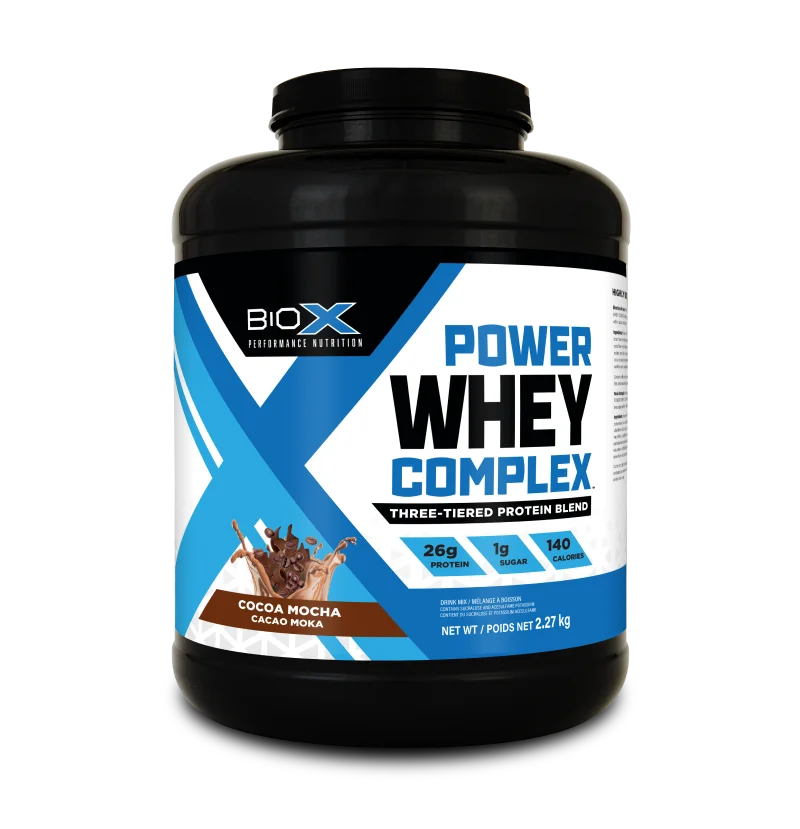
 $114.90
 $189.90
 $67.59 $75.10